
Basswood
Tilia americana
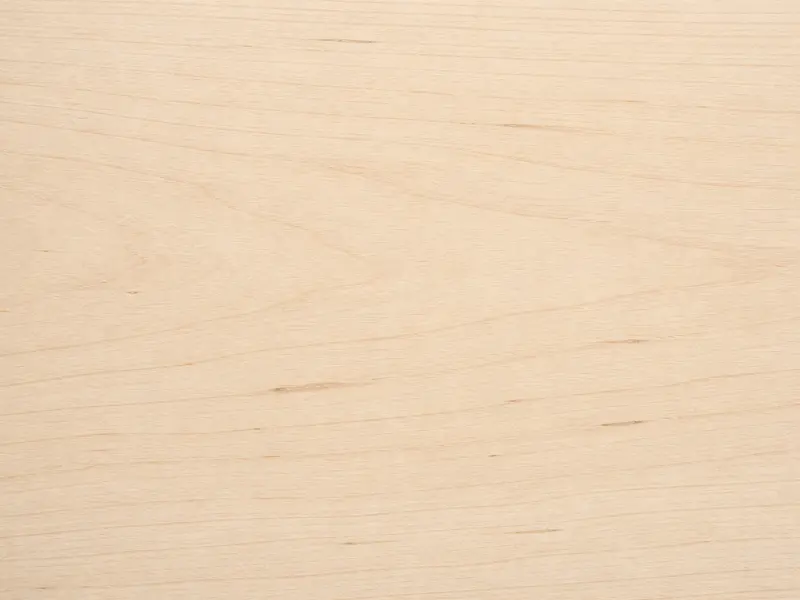
Basswood is a lightweight hardwood with a fine, even texture and straight grain. It is prized for carving, turning, and easy machining.
Janka
Price Tier
Dent Risk
Overview
Basswood is the classic carving and lightweight craft wood because it is soft, uniform, and generally free of dramatic grain surprises. It takes hand tools beautifully and rarely splinters, which makes it great for beginners and pros alike. The tradeoff is that it dents if you look at it wrong, so it is not a good candidate for high-wear surfaces. If your project needs clean cuts and easy shaping, basswood is a friend.
Key takeaways
- Carving favorite, very uniform;
- Dents easily;
- Excellent for prototypes.
At a Glance
Hardness & Heft
Dry weight: 26 lbs/ft³ (415 kg/m³)
Color & Figure
Color: Light Tan
Stability & Movement
Drying: Stable when dry; avoid rapid swings
Workability
Plays nice with
- Carving favorite
- Uniformity
- Machines Easily
Fights you on
- Very Soft Wood
- Poor Durability
- Dent Prone
Finishing
- Surface Prep: 180-220
- Blotch Risk: Medium
- Pores: Tight
Best Uses
Great for
- Carving
- Patterns
- Painted pieces
Avoid for
- Floors
- Tablet tops
- Outdoor exposure
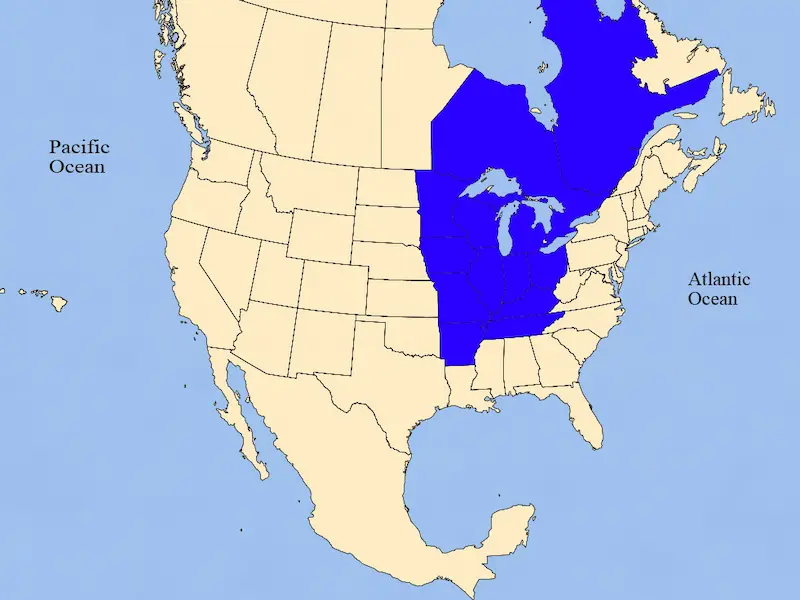
Where it comes from
Buying notes
- Sold As: Carving blocks, boards, craft stock
- Look For: Uniform, clear stock, minimal knots and bruising
What to Watch Out For
- Dents
- Occasional fuzzy grain
- Wormy sapwood or evidence of borers
Practical Alternatives
- Yellow Poplar
- Aspen
- Jelutong
Shop Notes / Deeper Dive
Like what you see?
While I occasionally work with some of these species, availability varies widely. If you’re researching woods for a custom project, feel free to reach out.
Reference Notes: Wood grain and color can vary significantly within a species depending on growing conditions, age, and cut orientation. Images on this page are provided as general reference examples and may not represent every possible variation of the species. Geographic distribution maps illustrate typical native or commonly cultivated ranges and may not reflect every region where the species occurs today.
Additional technical data and botanical information may be referenced from sources such as the USDA Forest Products Laboratory Wood Handbook.