
Box Elder
Acer negundo
Box Elder is a soft, pale hardwood often streaked with red, used for turning blanks, decorative pieces, and rustic furniture.
Janka
Price Tier
Dent Risk
Overview
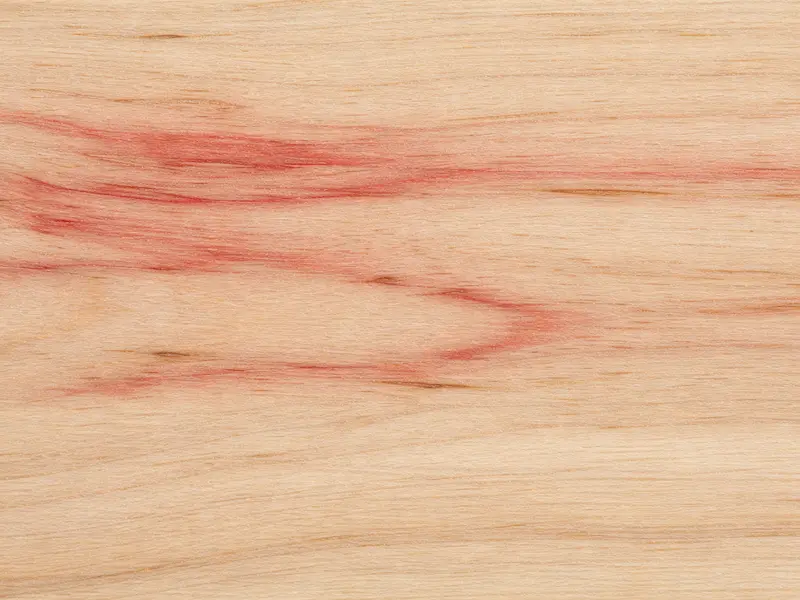
Box elder is a soft maple relative that is usually plain until you find boards with red ‘flame’ streaking from natural staining. It is lightweight and easy to shape, which makes it popular for turning and small boxes. The tradeoff is low dent resistance and a tendency to move if you buy it too wet. When you want a pale wood with surprise color that feels playful, box elder is a fun pick.
Key takeaways
- Soft and easy to shape;
- Can show red flame streaks;
- Not a hard-wear wood.
At a Glance
Hardness & Heft
Color & Figure
Color: Tan and Light Red
Stability & Movement
Drying: Warp risk
Workability
Plays nice with
- Soft and easy to shape
- Can show red flame streaks
- Accepts Dye Well
Fights you on
- Soft Surface Dents
- Spalting Weakness
- Limited Durability
Finishing
- Surface Prep: 150-220
- Blotch Risk: Medium
- Pores: Tight
Best Uses
Great for
- Turning
- Small boxes
- Accent parts
Avoid for
- Floors
- Heavy tabletops
- Outdoor use
Where it comes from
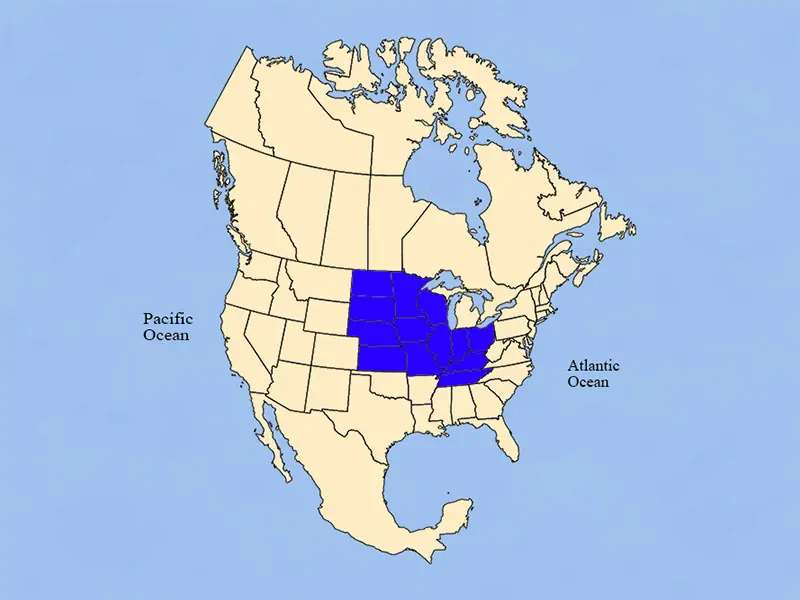
Central and Midwestern USA
Buying notes
- Sold As: Turning blanks, boards, hobby lumber
- Look For: Tight clean streaking on show faces
What to Watch Out For
- Warp
- Checks
- Soft bruised edges
Practical Alternatives
- Soft Maple
- Alder
- Aspen
Shop Notes / Deeper Dive
Red streaks in Box Elder wood fade to brown over time; use a UV-inhibiting finish to slow the color shift. The wood is highly susceptible to rot and staining, so ensure stock is dried quickly and stored in low humidity to prevent graying. It is a low-density hardwood that machines easily but is prone to denting and fuzzy grain if cutters are dull. It takes finishes and dyes well, though the soft fibers require light passes to avoid tear-out.
Like what you see?
While I occasionally work with some of these species, availability varies widely. If you’re researching woods for a custom project, feel free to reach out.
Reference Notes: Wood grain and color can vary significantly within a species depending on growing conditions, age, and cut orientation. Images on this page are provided as general reference examples and may not represent every possible variation of the species. Geographic distribution maps illustrate typical native or commonly cultivated ranges and may not reflect every region where the species occurs today.
Additional technical data and botanical information may be referenced from sources such as the USDA Forest Products Laboratory Wood Handbook.