
English Walnut
Juglans regia
English Walnut is a brown timber with subtle figure and good workability; used for carving, furniture, and veneer.
Janka
1120 lbf
Price Tier
Dent Risk
Overview
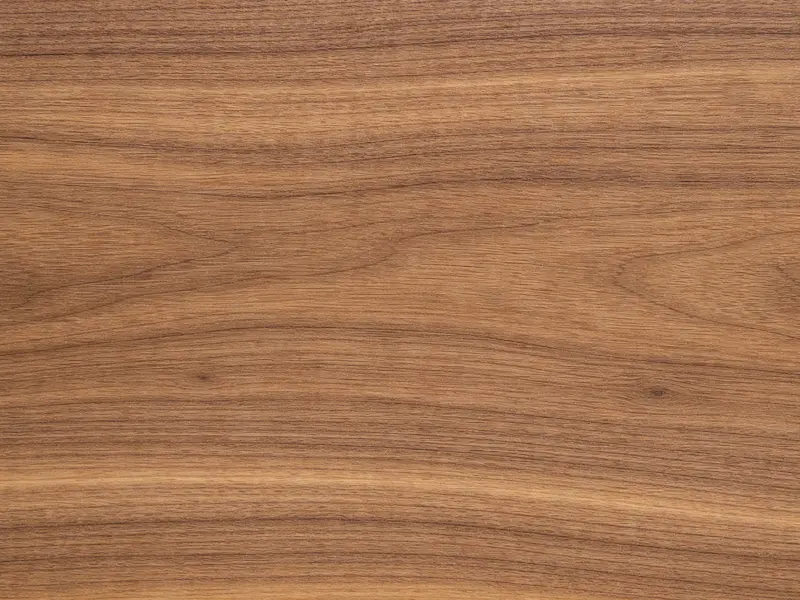
English walnut is the European and West Asian walnut species most people associate with traditional walnut furniture. Heartwood color can swing from pale brown to deep chocolate and sometimes carries gray, purple, or reddish tones. It is typically easy to work and finishes well, which is why it is prized for cabinetry and gunstocks. In terms of durability it is only moderately resistant to decay and can be susceptible to insects, so it is an indoor species. Figured material can be spectacular, but it rewards gentle surfacing methods.
Key takeaways
- Works easily and polishes up without much drama;
- Burls and crotch figure make premium veneer;
- Luxury neutral wood for brown depth without heavy grain.
At a Glance
Hardness & Heft
Janka: 1120 lbf
Color & Figure
Color: Dark brown / brown
Stability & Movement
Drying: Checking
Workability
Plays nice with
- Easy handwork
- Takes a high polish
- Good veneer figure
Fights you on
- Dents easier
- Figure tearout
- Price for clear stock
Finishing
- Surface Prep: Handplane; 150 to 220 grit
- Blotch Risk: Low
- Pores: Medium-Open (fill optional)
Best Uses
Great for
- Fine cabinetry
- Gunstocks
- Veneered panels
Avoid for
- Outdoor exposure
- High-impact floors
- Rough utility builds
Where it comes from
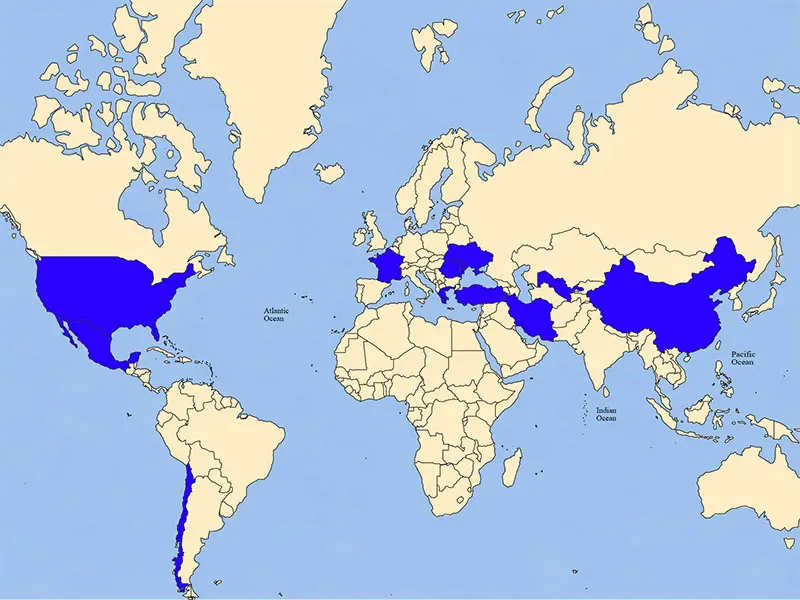
Globally; primarily in eastern Europe
Buying notes
- Sold As: Lumber, veneer, burls
- Look For: Consistent color, straight grain for stocks, tight knots avoided
What to Watch Out For
- Sapwood contrast
- Occasional checks
- Insect holes or worm damage
Practical Alternatives
- Black Walnut
- Claro Walnut
- Bastogne Walnut
Shop Notes / Deeper Dive
Like what you see?
While I occasionally work with some of these species, availability varies widely. If you’re researching woods for a custom project, feel free to reach out.
Reference Notes: Wood grain and color can vary significantly within a species depending on growing conditions, age, and cut orientation. Images on this page are provided as general reference examples and may not represent every possible variation of the species. Geographic distribution maps illustrate typical native or commonly cultivated ranges and may not reflect every region where the species occurs today.
Additional technical data and botanical information may be referenced from sources such as the USDA Forest Products Laboratory Wood Handbook.