
Hard Maple (Sugar Maple)
Acer saccharum
Hard Maple (Sugar Maple) is a clean, creamy colored hardwood with tight grain valued for crisp machining and a smooth finish.
Janka
Price Tier
Dent Risk

Overview
Hard Maple is dense, smooth, and unforgiving in the best way. As one of the most durable hardwoods in North America, it takes a crisp edge and polishes to a high natural luster that laughs at everyday wear. However, that density comes with a technical price: it is notorious for friction burning if your feed rate stalls, and its tight grain can lead to blotchy results with traditional oil-based stains. At the bench, it requires more muscle and sharper carbide than its softer cousins, but it rewards that effort with unmatched structural integrity.
For the craftsman, Hard Maple is the gold standard for a clean, modern look that remains dimensionally stable over time. Beyond its utility in heavy-use flooring and butcher blocks, it is world-renowned for its rare “genetic” figure. It frequently produces tight Birdseye, Fiddleback, and compressed Curly or Tiger grain patterns, along with Spalting as the logs begin to age in the yard. These distinct figures are the premier choice for high-end furniture, concert-grade musical instruments, and complex custom inlay work where every fraction of a millimeter counts.
Key takeaways
- Very wear resistant;
- Can burn when routed;
- Stain can blotch;
- Frequently produces highly figured patterns.

At a Glance
Hardness & Heft
Color & Figure
Color: Yellow/Tan
Figure: Often figured; Birdseye, Curly, Fiddleback
Stability & Movement
Drying: Generally stable if dried correctly
Workability
Plays nice with
- Tight tolerances
- Clear lacquer
- Inlay work
Fights you on
- Router burning
- Blotchy stain
- Hard sanding
Finishing
- Surface Prep: 150 to 180 to 220
- Blotch Risk: High
- Pores: Tight
Best Uses
Great for
- Tabletops
- Desks
- Drawer sides
Avoid for
- Easy staining
- Rustic outdoor use
- High-speed routing
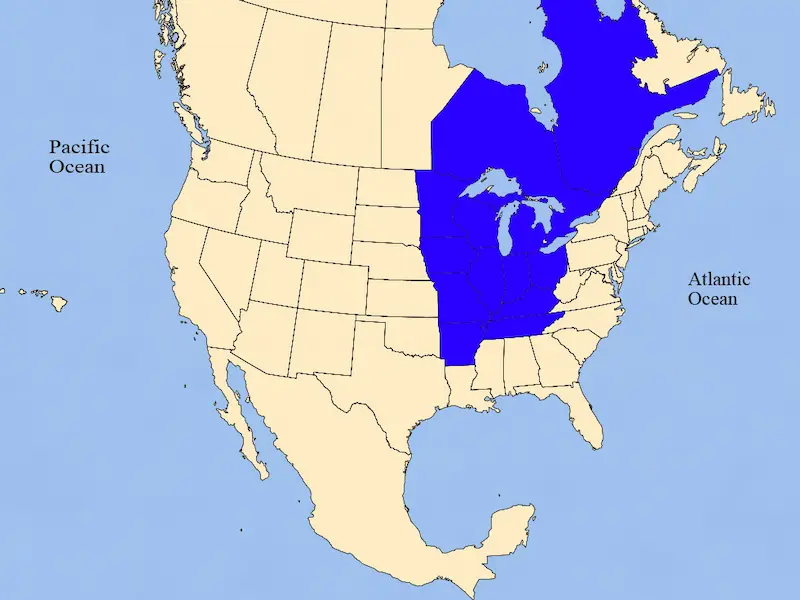
Where it comes from
Native to central and eastern North America
Buying notes
- Sold As: Lumber, veneer, flooring
- Look For: Consistent color, minimal stress that won't twist after ripping
What to Watch Out For
- Mineral streaks
- Internal stress
- Occasional sticker stain
Practical Alternatives
- Birch
- Beech
- Soft Maple or Silver Maple
Shop Notes / Deeper Dive
Like what you see?
While I occasionally work with some of these species, availability varies widely. If you’re researching woods for a custom project, feel free to reach out.
Reference Notes: Wood grain and color can vary significantly within a species depending on growing conditions, age, and cut orientation. Images on this page are provided as general reference examples and may not represent every possible variation of the species. Geographic distribution maps illustrate typical native or commonly cultivated ranges and may not reflect every region where the species occurs today.
Additional technical data and botanical information may be referenced from sources such as the USDA Forest Products Laboratory Wood Handbook.