
White Oak
Quercus alba
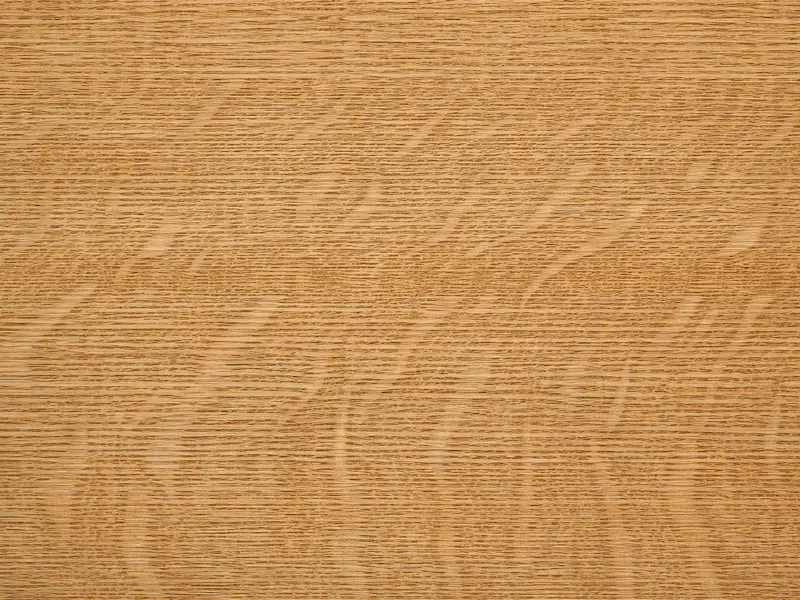
White oak, especially quarter-sawn wood, is a ring porous hardwood that shows bold ray fleck and tannins. It is excellent for barrels and mission furniture.
Janka
Price Tier
Dent Risk
Overview
White oak is ring-porous, strong, and famously water-resistant because its pores are plugged with tyloses. That structure makes it a favorite for barrels, boat parts, and outdoor joinery when detailed correctly. It can be stubborn to plane in reversing grain, but it rewards sharp tools. If you need durability without plastic, white oak is the classic answer.
Key takeaways
- Tyloses add water resistance;
- Great exterior potential;
- Ray fleck on quartered.
At a Glance
Hardness & Heft
Color & Figure
Color: Light Brown
Grain: Straight, open grained
Stability & Movement
Drying: Checking; seal ends
Workability
Plays nice with
- Outdoor joinery
- Fumed finishes
- Quarter sawn stock
Fights you on
- Tearout
- Pore filling
- Tannin staining
Finishing
- Surface Prep: 120 to 180 to 220
- Blotch Risk: Low
- Pores: Open
Best Uses
Great for
- Outdoor furniture
- Tabletops
- Barrels
Avoid for
- Rusty hardware
- Glass-smooth finish
- No-movement designs
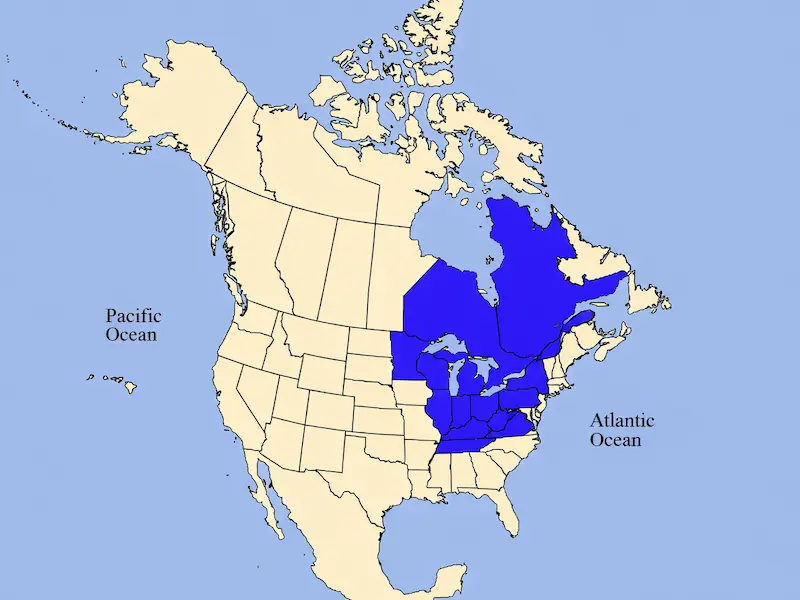
Where it comes from
Buying notes
Choose quartersawn for stability and ray fleck. Flatsawn works for thicker tops to control movement.
- Sold As: Lumber, veneer, flooring
- Look For: Tight ring structure, straight grain
What to Watch Out For
- Checking
- Mineral streaks
- Occasional worm holes
Practical Alternatives
- Red Oak
- English Oak
- White Ash
Shop Notes / Deeper Dive
Like what you see?
While I occasionally work with some of these species, availability varies widely. If you’re researching woods for a custom project, feel free to reach out.
Reference Notes: Wood grain and color can vary significantly within a species depending on growing conditions, age, and cut orientation. Images on this page are provided as general reference examples and may not represent every possible variation of the species. Geographic distribution maps illustrate typical native or commonly cultivated ranges and may not reflect every region where the species occurs today.
Additional technical data and botanical information may be referenced from sources such as the USDA Forest Products Laboratory Wood Handbook.